Provider Methods for Harmonizing RTP and Bonus Round Excitement in Mobile Slot Games
Finley Russell · Oct 27, 2026
Provider Methods for Harmonizing RTP and Bonus Round Excitement in Mobile Slot Games
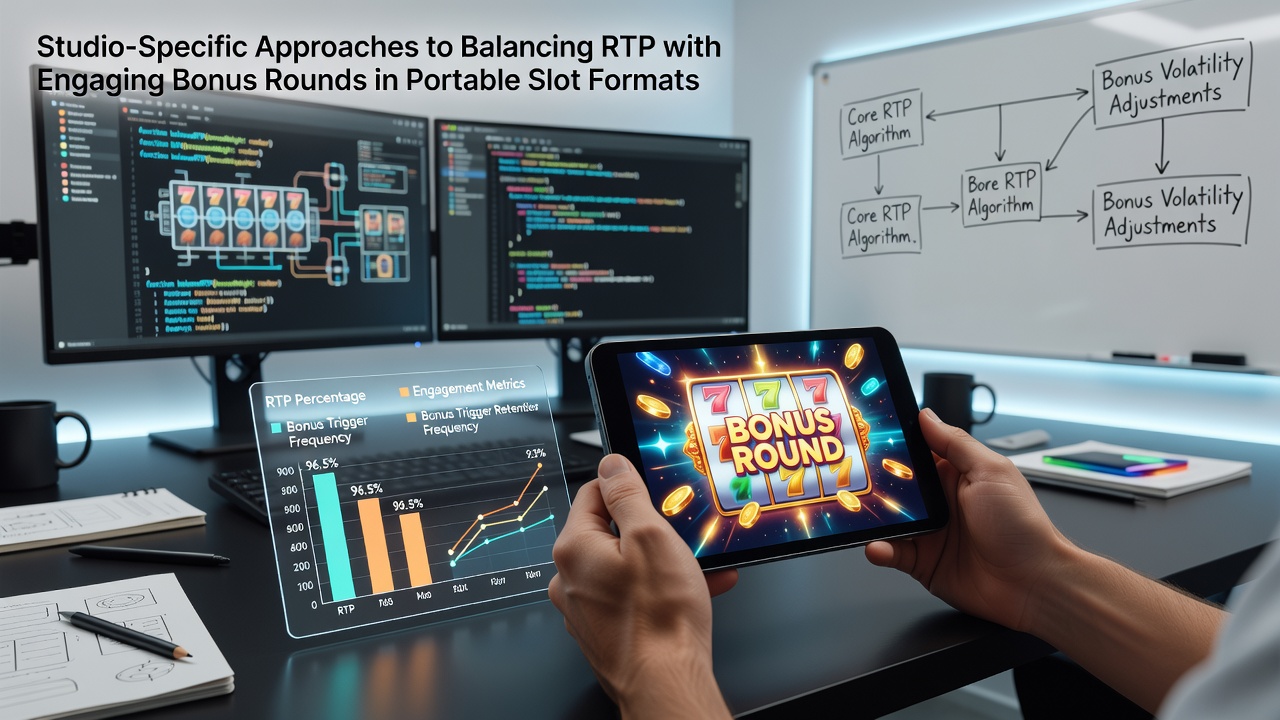
Game development studios approach RTP calibration differently when they build bonus features for mobile slots, and these choices shape how return percentages interact with player retention mechanics across portable formats. Studios adjust base RTP figures between 94 and 98 percent while layering bonus structures that trigger at set frequencies, and the resulting combinations determine both mathematical fairness and session length in mobile environments.
Core RTP Adjustments in Mobile Development Pipelines
Development teams at various studios calculate RTP by factoring in hit rates for bonus rounds that run on smartphones and tablets, because screen size and touch controls alter how players experience those features compared with desktop versions. Data from industry reports shows that portable formats often require tighter variance controls so bonus sequences do not consume excessive battery or data during extended play. Engineers therefore embed conditional multipliers inside bonus code that scale with device performance metrics, which keeps the overall RTP stable even when network conditions fluctuate.
One studio integrates its bonus round payouts directly into the base game RTP formula using weighted probability tables, whereas another studio isolates bonus RTP in a separate ledger that activates only after a minimum number of spins. This separation allows the first group to offer frequent small bonuses without shifting the headline RTP figure, while the second group reserves larger rewards for rarer triggers that maintain the stated percentage over longer sessions.
Bonus Round Design Variations Across Studios
Studios differentiate their bonus implementations through distinct trigger mechanisms and reward structures. Some prioritize pick-and-win style rounds that deliver fixed multipliers, while others embed cascading reel mechanics that chain wins during the bonus phase. Observers note that these choices directly influence how RTP is distributed, since cascading systems can consume more of the allocated return percentage per trigger event.
Researchers at gaming technology firms have documented cases where mobile-specific bonuses incorporate swipe gestures that unlock progressive elements, and those additions require precise RTP recalibration to prevent the feature from exceeding its budgeted share. In October 2026 several studios introduced cloud-synced bonus rounds that carry progress across devices, which demanded new RTP modeling to account for multi-session continuity without altering the core percentage.
Technical Constraints Unique to Portable Formats
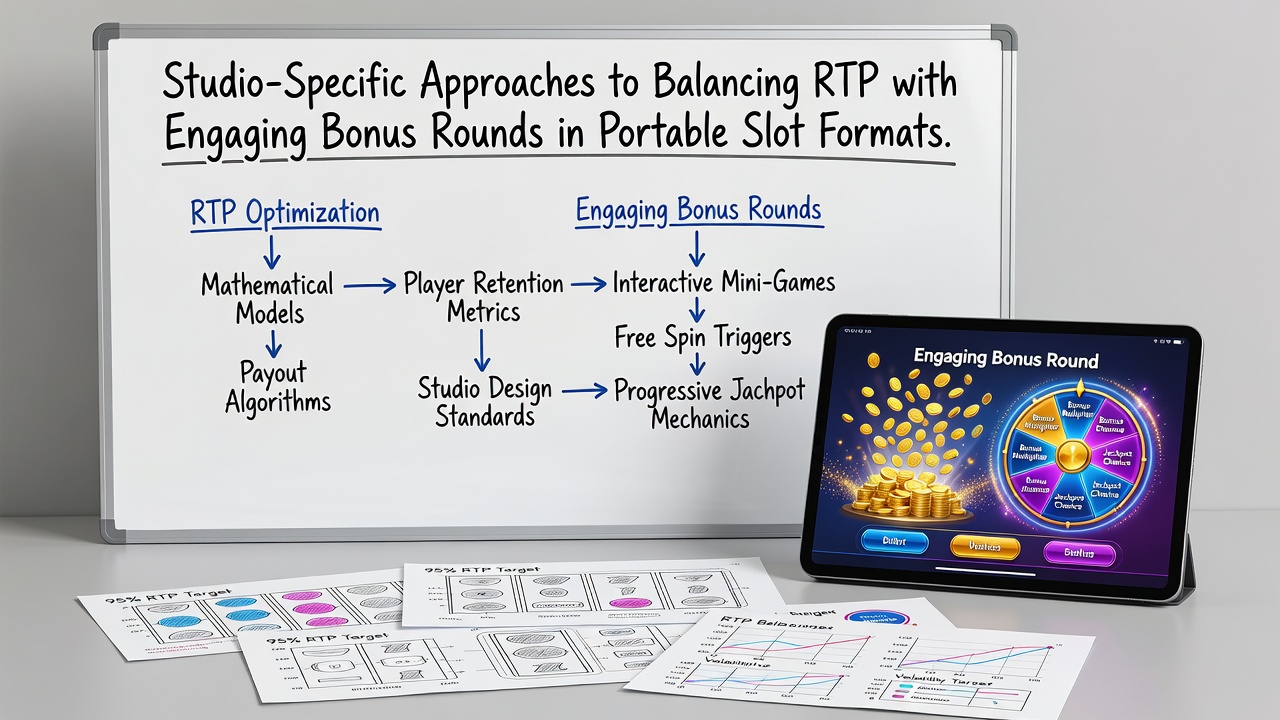
Mobile hardware imposes limits on animation complexity and real-time calculations, so studios simplify bonus visuals while preserving the mathematical outcomes that underpin RTP. This simplification often involves pre-rendering sequences rather than generating them dynamically, which reduces processing load and keeps the RTP calculation consistent across devices. Engineers test each bonus iteration on multiple operating systems to confirm that frame drops do not inadvertently change trigger probabilities or payout timing.
According to reports from the Pennsylvania Gaming Control Board, mobile slot submissions must demonstrate that bonus features maintain declared RTP values under variable latency conditions common to cellular networks. Studios therefore simulate packet loss scenarios during certification testing, which reveals whether bonus round interruptions affect overall return percentages.
Regulatory and Certification Influences on Studio Choices
Certification laboratories require documentation that separates base game RTP from bonus RTP contributions, and this documentation shapes how studios structure their portable offerings. Different jurisdictions apply varying thresholds for bonus frequency disclosure, which prompts some studios to adopt conservative trigger rates that exceed minimum requirements. Data from the Australian Gambling Research Centre indicates that regions with stricter disclosure rules see more studios publishing separate RTP breakdowns for mobile bonus modules.
Studios operating across multiple markets maintain modular RTP configurations that can be adjusted per jurisdiction without rebuilding entire bonus systems. This modularity reduces certification timelines while ensuring that engaging features remain available in portable formats regardless of local rules.
Conclusion
Studios continue to refine their approaches to RTP and bonus integration as mobile hardware evolves, and the resulting methods reflect both technical necessities and regulatory demands. These ongoing adjustments ensure that portable slot formats deliver consistent return percentages alongside features that sustain player engagement across diverse devices and network conditions.