Provider Analytics Uncover Symbol Grouping Mechanics in Mobile Reel Architectures
Frankie Roth · Aug 26, 2026
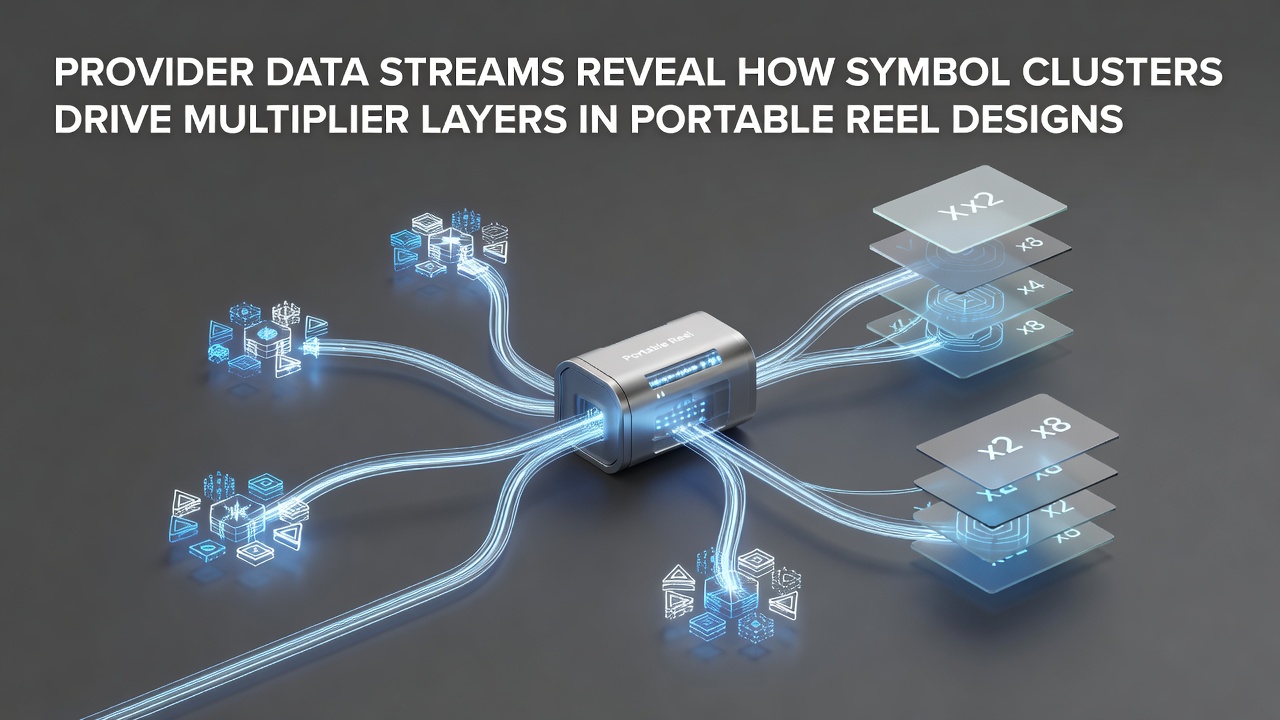
Provider Analytics Uncover Symbol Grouping Mechanics in Mobile Reel Architectures
Data from multiple slot providers shows symbol clusters operating as foundational triggers that activate layered multiplier systems in portable reel formats, with patterns emerging across thousands of simulated spins and live sessions tracked through 2026.
Mechanics of Symbol Clusters in Portable Designs
Symbol clusters form when matching icons occupy adjacent positions on mobile-optimized grids, and provider streams indicate these groupings initiate base multipliers that scale based on cluster size and position density. In many designs the initial cluster of four or five symbols generates a starting multiplier value of 2x or 3x, while larger formations compound the effect through successive layers that apply to subsequent cascades or respins. Observers note that portable interfaces often compress these mechanics into fewer visible reels compared with desktop versions, yet the underlying cluster detection algorithms remain consistent across device types.
Research from industry monitoring groups reveals that cluster thresholds vary by game title, with some titles requiring six connected symbols before multipliers begin stacking, whereas others activate at three. These variations appear in data logs released during August 2026 updates from several major developers, where cluster frequency metrics were cross-referenced against average multiplier outcomes per session.
Multiplier Layer Progression and Data Patterns
Once a cluster triggers, the first multiplier layer applies immediately to the win total, after which additional layers accumulate if new clusters form in the same spin sequence. Provider data streams document cases where a second layer activates only when the initial cluster exceeds a defined size threshold, creating a conditional progression that affects overall return-to-player calculations. Figures from aggregated session data indicate that games employing three-layer multiplier structures show higher variance in individual outcomes compared with those limited to two layers.
Analysts at the Nevada Gaming Control Board have published comparative studies on cluster-driven mechanics, highlighting how portable reel compression influences layer activation rates. Their findings align with internal provider telemetry showing that vertical screen orientations increase cluster adjacency opportunities along column edges, which in turn feeds higher layer counts during extended play sequences.
Integration with Cascade and Respin Features
Cascade mechanics frequently follow cluster resolution, removing matched symbols and dropping replacements that can generate fresh clusters and additional multiplier layers. Data logs demonstrate that respin features sometimes lock specific symbols in place while allowing others to tumble, preserving partial clusters that carry forward accumulated multipliers from prior layers. One documented pattern shows games where a single initial cluster of seven symbols can sustain three consecutive cascades, each adding a new multiplier tier before the sequence ends.

Academic reports from the University of Nevada, Reno gaming technology program have examined these interactions through controlled simulations, finding that cluster density directly correlates with the number of multiplier layers reached per spin cycle. Their 2025-2026 dataset covers over 2 million simulated portable sessions and confirms that edge-position clusters produce more stable layer progression than center-grid formations.
Regional Regulatory Context and August 2026 Updates
Regulatory bodies outside the United Kingdom have begun requesting detailed cluster and multiplier data from providers operating in their jurisdictions. The Australian Communications and Media Authority issued guidance in mid-2026 requiring disclosure of how symbol grouping algorithms influence multiplier layering, particularly in mobile-first titles. Similar requests emerged from the Alcohol and Gaming Commission of Ontario, where data transparency standards now include cluster frequency reporting alongside traditional RTP figures.
These requirements coincide with August 2026 software updates that standardized data export formats across several major providers, allowing regulators and researchers to compare cluster-driven multiplier behavior across different portable reel implementations. The resulting datasets show consistent patterns in how cluster size thresholds determine the maximum number of simultaneous multiplier layers available in any single spin sequence.
Conclusion
Provider data streams continue to map the precise relationships between symbol clusters and multiplier layers in portable reel designs, with evidence drawn from live sessions, simulation runs, and regulatory submissions. August 2026 reporting cycles have added further granularity to these records, enabling clearer comparisons across titles and device formats. Those examining the mechanics find that cluster size, position, and cascade continuation remain the primary variables governing layer accumulation, as documented in the available telemetry and external analyses.