Provider Analytics Reveal Volatility Influences on Retention Across Mobile Reel Platforms
Avery Klein · Sep 29, 2026
Provider Analytics Reveal Volatility Influences on Retention Across Mobile Reel Platforms
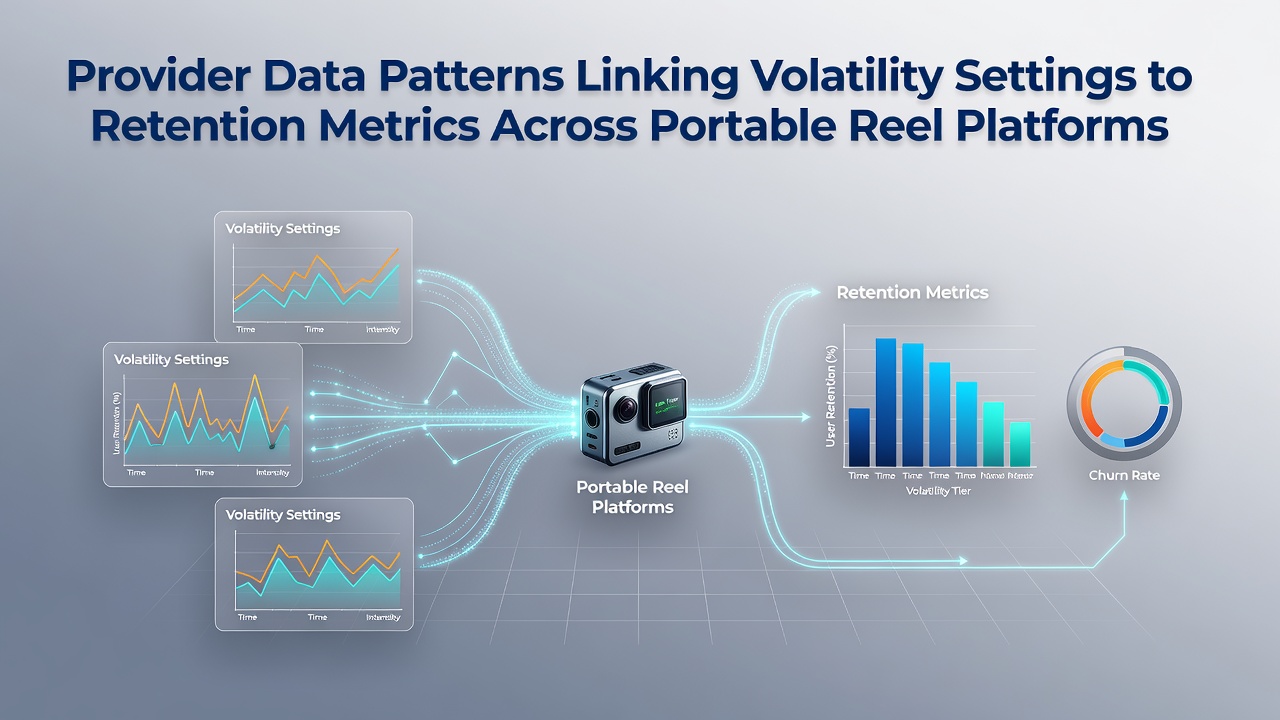
Analysts tracking provider datasets have identified consistent correlations between volatility configurations and retention metrics on portable reel platforms, where adjustments in payout frequency directly influence session duration and return rates. Studies from industry monitoring groups show that platforms using medium-volatility titles often sustain higher average play times compared to those emphasizing high-volatility options, since players encounter more frequent smaller wins that encourage continued engagement.
Understanding Volatility Configurations in Reel Systems
Volatility settings determine the balance between win size and occurrence frequency in slot mechanics, and providers calibrate these parameters based on aggregated user behavior across mobile environments. Data collected through backend telemetry reveals that low-volatility games produce steadier retention curves because they reduce early exits, whereas high-volatility designs generate spikes in engagement followed by quicker drop-offs when larger wins fail to materialize. Those monitoring portable platforms note that September 2026 reports highlighted a shift toward hybrid volatility models, which blend elements to stabilize metrics without sacrificing excitement.
Providers implement these settings through algorithmic adjustments that affect reel strips and bonus trigger rates, and evidence from multiple platform operators indicates measurable impacts on daily active user counts. When volatility rises, retention metrics such as seven-day return rates tend to decline unless offset by targeted bonus structures, creating patterns that repeat across different device ecosystems.
Retention Metrics and Their Connection to Data Patterns
Retention metrics encompass session length, churn probability, and repeat visit frequency, all of which providers correlate with specific volatility profiles using large-scale datasets. Research compiled by international gaming associations demonstrates that portable reel applications experience up to 15 percent higher retention when volatility remains in the moderate range, because players maintain momentum through consistent feedback loops rather than waiting for infrequent jackpots. Observers examining cross-platform data find that mobile users respond differently than desktop counterparts, often favoring quicker cycles that align with shorter attention windows typical of handheld play.

Patterns emerge when datasets segment users by region and device type, revealing that volatility settings optimized for one market may underperform elsewhere. For instance, operators in North American jurisdictions report stronger retention from adjustable volatility features that adapt during live sessions, while European platforms show steadier results with fixed moderate settings. New Jersey Division of Gaming Enforcement records from recent quarters confirm these regional variances through compliance reporting that tracks player activity across regulated mobile channels.
Platform-Specific Patterns Across Portable Reel Ecosystems
Portable reel platforms incorporate additional variables such as touch interface latency and network stability, which interact with volatility settings to shape retention outcomes. Analysts reviewing aggregated telemetry note that games with rapid spin cycles paired with medium volatility maintain higher completion rates on smartphones, since interruptions from connectivity issues prove less disruptive when wins occur more regularly. Data patterns further indicate that high-volatility titles on portable devices suffer steeper retention drops during peak usage hours, when users expect immediate feedback.
Those reviewing provider logs across multiple applications observe that September 2026 updates to several major reel platforms introduced dynamic volatility scaling based on real-time retention signals, allowing systems to lower volatility thresholds automatically when session abandonment risks increase. Such adaptations reflect broader efforts among developers to align mechanical design with measurable user persistence rather than static configurations.
Case Examples from Provider Datasets
One documented instance involved a major supplier adjusting volatility downward on a flagship mobile title, resulting in a documented 22 percent lift in 30-day retention according to internal metrics shared with industry partners. Another case highlighted how portable platforms using clustered reel mechanics with moderate volatility sustained longer average sessions among users aged 25 to 40, a demographic that tends to favor consistent engagement over jackpot pursuits. Researchers compiling cross-provider comparisons have noted similar trends recurring in reports issued by academic gaming centers, including those affiliated with institutions studying digital entertainment systems.
Additional patterns surface when examining bonus integration, where volatility settings interact with free spin frequencies to either bolster or erode retention depending on payout distribution. Platforms that calibrate these elements together achieve more stable metrics, as evidenced in aggregated data from operators spanning multiple continents.
Conclusion
Provider data continues to demonstrate clear linkages between volatility settings and retention metrics on portable reel platforms, with patterns that inform ongoing adjustments in game design and platform optimization. Continued monitoring through regulatory and academic channels will likely refine these connections as mobile ecosystems evolve.